I have always had an unusual perspective on America's workforce system. I ran groundbreaking British government programs that extended public employment services (job centers, job banks, etc.) to nonjob employment; breadwinners who need "gig work" to fit around day-to-day complexities in their life. I have now spent nearly a decade sharing learning with workforce agencies around the U.S. In Britain, we developed platforms for hour-by-hour labor under regional control and built around protections, control, stability and progression for anyone needing personalized hours of work on any day. Realizing no other government had done the same, we obtained permission to put a copy of the technology in a nonprofit for open sourcing and looked at where else we could achieve social impact. British consulates enthused about America's public workforce system, highlighting the structure of state and regional boards accountable to governors and mayors.
The Annie Casey Foundation funded an initial assessment project involving 25 workforce agencies around the U.S. That identified a need. Walmart Foundation then enabled Americanization of the platform while the Kauffman Foundation enabled research into a path to launch in which our group expanded to 40 workforce agencies scrutinizing plans. That led to a first-year proof of concept for the City of Long Beach, CA, and a market that is now expanding across Los Angeles County.
So, we entered 2025 focused on whether new forces might increase a willingness to extend services to people outside the traditional employment model. For us, the devolution of responsibilities to the States is good news. It will likely be easier to find far sighted State agencies keen to address pocketbook pain among residents than persuade one group of U.S. DOL officials to extend services beyond jobs nationally.
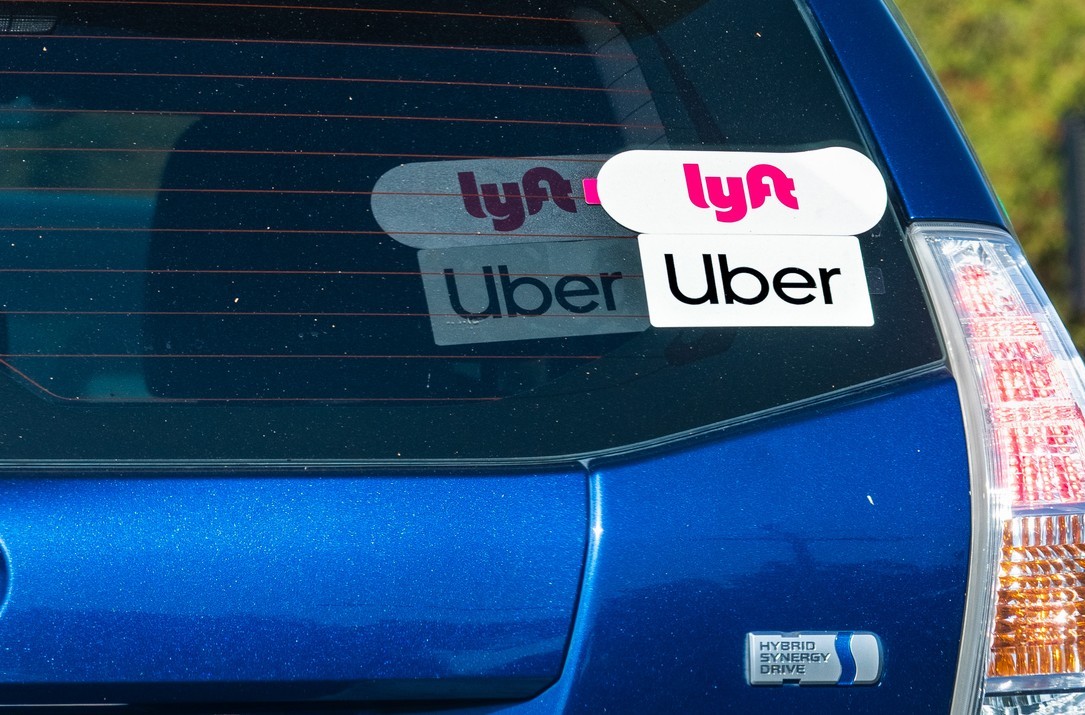
We also see workforce leaders increasingly considering the role nonstandard work plays in their regional economy. New work requirements for Medicaid and SNAP recipients demand proof of 80 hours work-related activity a month. Many of them are doing this work but can't verify it because it's across disparate gig work apps or word-of-mouth channels to off-the-books work. Need to audit these claims will be a cost burden for the States. It could all be handled seamlessly if workforce agencies proactively help people find work that fits around their life issues.
Collapsing entry level jobs in the AI era again focuses minds on alternative employment pathways. We know from research for Britian's government, that many work seekers, particularly the young, have always preferred their own portfolio of employment sources rather than a scheduled-hours job. The "unretired" are another trend of surfacing people who don't necessarily want regular hours employment, just hours of work when they choose.
So, we enter 2026 with fingers crossed. We see workforce leaders looking for new sources of revenue and keen to explore how their local networks and credibility can launch useful new services for which businesses will pay. In our case, that's for access to regional pools of hour-by-hour top-up labor.
But one thing never changes. In any large system of organizations, it is the individuals willing to adopt innovations early that determine progress towards new models. So many leaders have been swamped by short term firefighting this year, they simply don't have capacity to consider wider labor market issues. An evolving workforce system depends on enough leaders having space to evaluate emerging possibilities. Speaking personally, it is always such a pleasure to find those determined to stay ahead of an incredible pace of change.