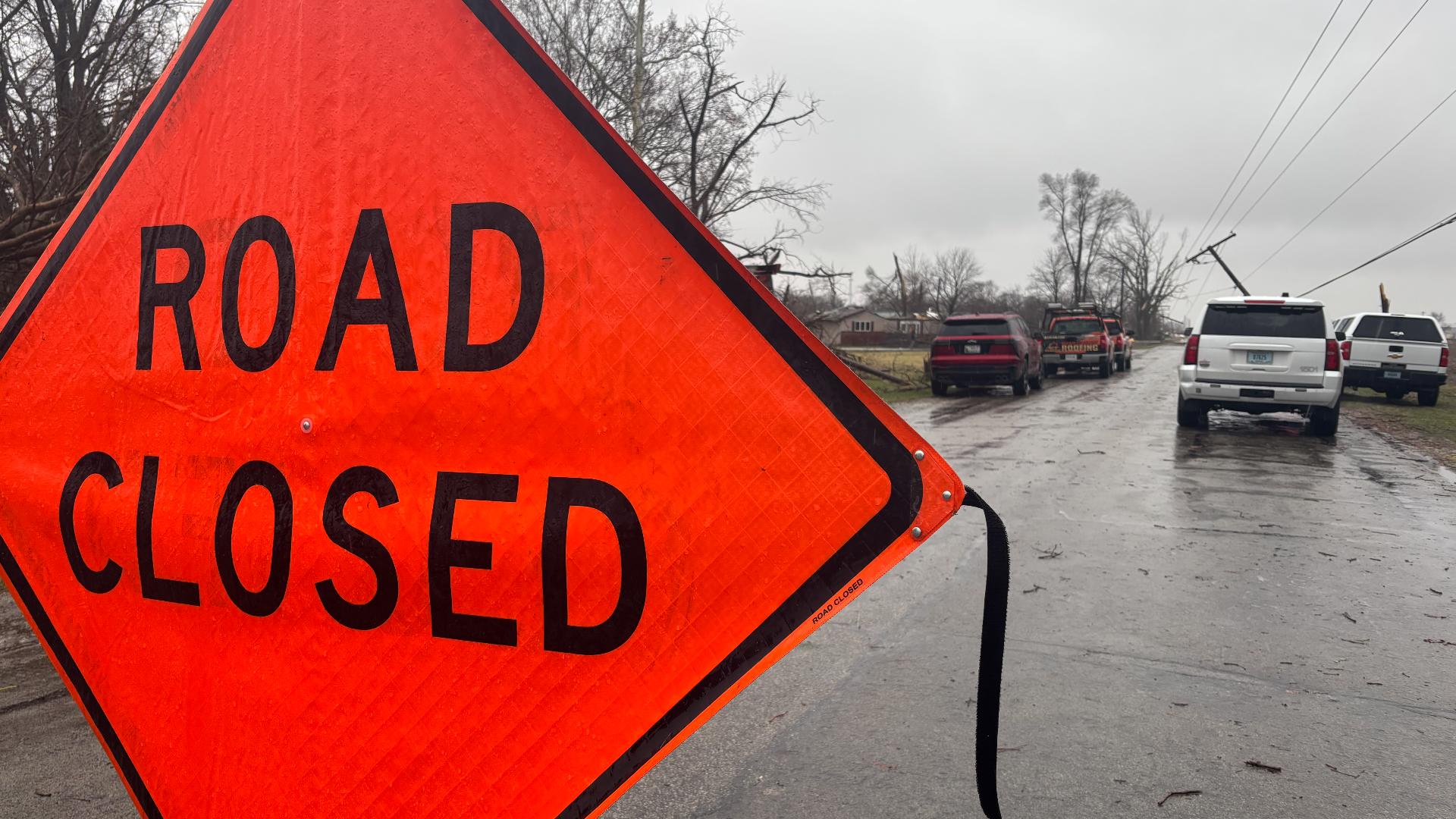
When the August storms swept through Northwest Indiana, they left behind more than damaged property, downed trees, and disrupted routines. They also revealed something we do not talk about enough in workforce development: Digital literacy is not just a workforce skill. Sometimes, it is a lifeline.
In the days following a catastrophic incident, people are suddenly expected to navigate complicated systems. Many of those systems live online. For many Northwest Indiana residents, they needed to find accurate information, understand rental agreements, insurance coverage, communicate with agencies, complete applications, upload documents, monitor updates, and determine which resources may be available to help them recover. For someone comfortable using technology, these tasks may feel frustrating but are manageable.
For someone with limited digital skills or difficulty understandingcomplex information, the recovery process can become another crisis entirely. And that reality should matter deeply to those of us connected to the resources, working across workforce, education,and community systems. Because the truth is, the digital skills someone needs to recover after a storm are often many of the same skills they need to successfully navigate today's workforce.
It’s More Than Knowing How to Use aComputer
We often talk about digital literacy as knowing how to use a computer, send an email, or navigate the internet. Those skills still matter. But the recent storms reminded me that digital literacy is much bigger than that. It is the ability to find information, determine whether it is trustworthy, understand what you are reading, complete digital tasks, protect yourself online, and confidently navigate systems that increasingly determine access to opportunities and resources.
A colleague recently shared an experience that stayed with me. While helping someone navigate the challenges that followed the storm, the person first needed help understanding their rental agreement and what it meant for their situation. Before navigating websites, completing applications for resources, or uploading documents, they needed help understanding the information right in front of them. That moment reinforced something important for me: Digital literacy does not replace foundational literacy. It builds on it.
The Connection to Workforce ReadinessIs Clear
In workforce development, we regularly ask people to navigate digital systems. Apply for jobs online. Create accounts. Upload résumés. Complete assessments. Access training platforms. Communicate electronically. Complete employer onboarding. And now, increasingly, understand and adapt to workplaces where artificial intelligence (AI) and emerging technologies are becoming part of everyday work. But we cannot expect people to confidently navigate AI-enabled workplaces if they have never developed confidence navigating the digital world around them.
Digital literacy is the foundation. Before someone can effectively understand how AI may impact their career, they may first need support learning how to evaluate information online, manage digital accounts, communicate electronically, navigate online platforms, and use technology to solve real-world problems. And perhaps just as importantly, they need the foundational literacyskills to understand the information those systems place in front of them.
Start With What People Actually Need
One lesson workforce systems can take from moments like disaster recovery is that digital skills become most meaningful when connected to real life. People do not necessarily wake up saying, “I want to improve my digital literacy.” They say: “I need help applying for assistance.” “I don't understand this website.” “I don't know how to upload this document.” “I can't figure out whereto start.” Those moments are opportunities.
Workforce organizations, adult education providers, libraries, community organizations, and workforce development boards can help people build skills by connecting technology instruction to immediate needs. The skills used to navigate a recovery portal can strengthen someone's ability to navigate a job board. The confidence gained from uploading important documents can make it easier to upload a résumé. Learning to identify reliable recovery information can strengthen someone's ability to evaluate information encountered online.
These are transferable skills. Andtransferable skills are workforce skills.
Preparing People for Whatever ComesNext
Technology will continue to change how we work, learn, communicate, and access opportunities. AI will accelerate that change. But as we prepare individuals for the technologies of tomorrow, we cannot overlook the foundational skills they need today. The recent storms in Northwest Indiana were a powerful reminder that digital literacy is about more than employment. It is about independence. It is about access. It is about confidence. And sometimes, it is about recovery.
For workforce systems, that means digital literacy cannot be treated as an optional add-on or a box to check before moving on to the “real” work. It is part of the real work. Because whether someone is applying for a job, enrolling in training, navigating a government system, recovering from a disaster, or preparing for an AI-enabled workplace, the ability to understand and confidently navigate the digital world increasingly determines how fully they can participate in the opportunities around them. When the storm hit, digital literacy became a lifeline.
The question for those of us in workforce development is whether we willrecognize it as one before the next crisis reminds us again.
Photo Credit: WTHR/Jenna Webster