For many years, America’s public workforce system has helped people gain technical skills, earn credentials, connect with employers, and prepare for in demand occupations. This work is still essential. Employers need people who can operate equipment, deliver healthcare, manage technology, build infrastructure, and complete the specific tasks required by their industries.
However, being ready for work now means more than having technical skills.
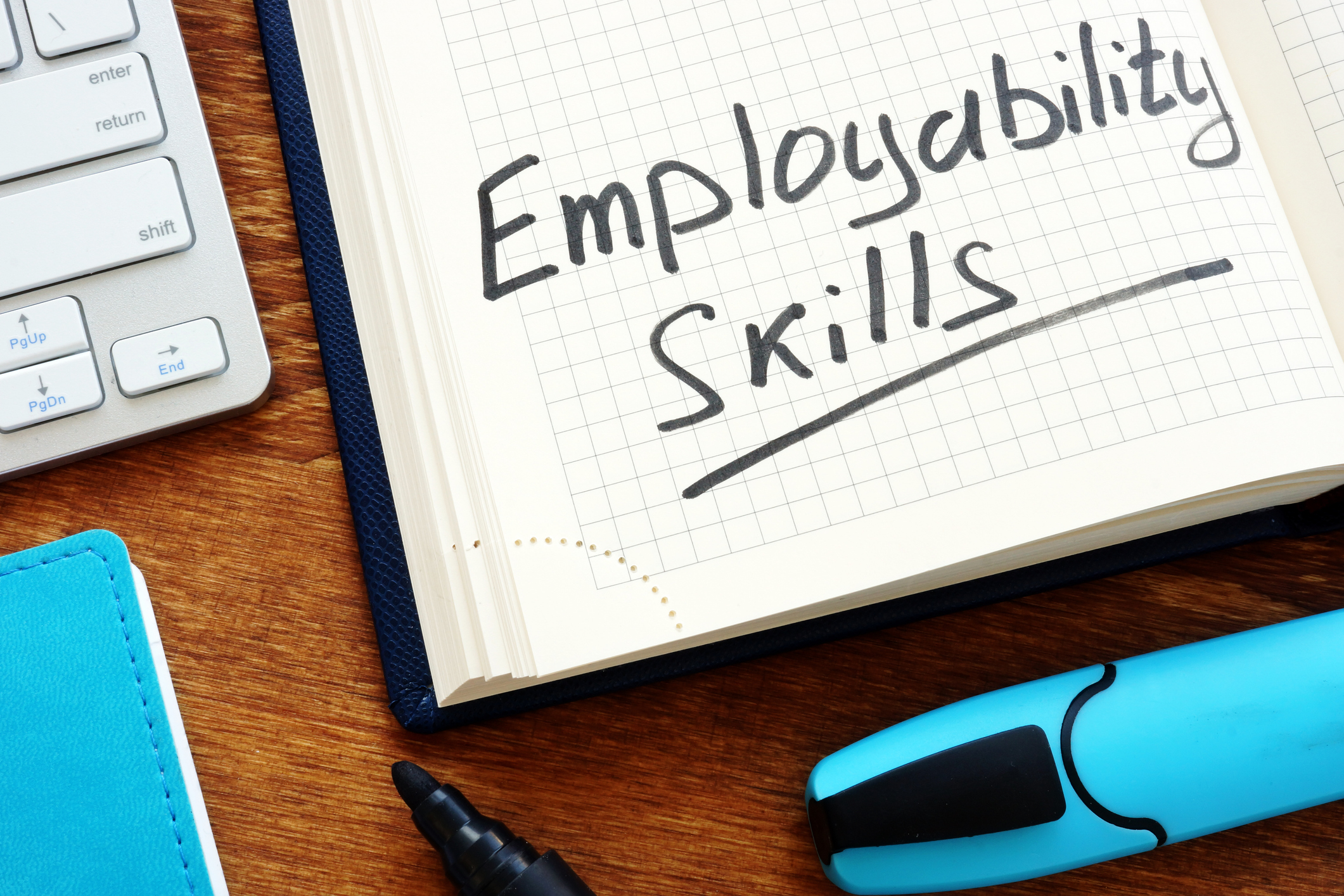
Technical skills help people qualify for jobs, and employability skills help them succeed after they are hired. Long term success also depends on how well that person communicates, works with others, solves problems, manages responsibilities, adapts to change, and responds to feedback. Workforce development is therefore helping people build employability skills alongside their job specific skills.
From Technical Skills to Employability
Job skills allow a person to complete the technical duties of a specific role. Employability is broader than getting hired. It is the ability to find meaningful work, meet workplace expectations, contribute to a team, remain employed, continue learning, and advance over time.
Employability includes communication, teamwork, adaptability, problem solving, professionalism, reliability, self-management, and resilience. These abilities are sometimes called soft skills, durable skills, human skills, or career readiness skills. The terms may differ, but the main idea is the same. People need skills that help them succeed across different jobs, workplaces, industries, and stages of working life.
These skills are especially important as technology, automation, artificial intelligence, and new business models continue to change work. Employees must learn new systems, adjust to changing expectations, work with people from different backgrounds, and manage career paths that may be less predictable than those of earlier generations.
Self-Awareness Is the Starting Point
Employability begins with self-awareness.
People make better career decisions when they understand their interests, values, strengths, personality traits, communication preferences, and areas for growth. This understanding helps them choose suitable career paths, explain their value to employers, understand how their behavior affects others, and recognize what they need to improve.
Assessments can support this process when they are used responsibly. They should not be used to label people or decide who is employable. Instead, assessments should create insight, improve coaching conversations, and guide personal development.
For example, a participant may recognize that they avoid difficult conversations, become defensive when receiving feedback, or communicate differently under stress. This insight gives them an opportunity to practice new behaviors before these challenges affect their training or employment.
Talent Transformation Alongside Technical Training
This broader approach is a form of talent transformation.
Transformation occurs when people develop both the technical ability to perform a job and the self-awareness, confidence, behaviors, and adaptability needed to succeed within the workplace. It helps people turn training into workplace performance, a job placement into lasting employment, and an entry level opportunity into continued growth.
Workforce programs can support talent transformation by combining technical instruction with assessment, coaching, reflection, practice, mentoring, and feedback.
A healthcare program can develop empathy, teamwork, and communication alongside clinical skills. A manufacturing program can strengthen reliability, problem solving, safety communication, and responsiveness to feedback. An apprenticeship can combine occupational training with professionalism, resilience, conflict management, and the confidence to ask for help. Digital skills training can include adaptability, self-management, collaboration, and responsible technology use.
Employability skills are more meaningful when participants practice them in situations related to the work they are preparing to do.
The Public Workforce System Makes Integration Possible
Workforce Development Boards make this more complete approach to workforce readiness possible. They bring together employers, training providers, community colleges, schools, apprenticeship sponsors, community organizations, economic development partners, and career coaches.
Through these partnerships, boards can help employers identify the behaviors that lead to workplace success. Training providers can then build these abilities into instruction, work-based learning, coaching, and assessment.
This coordination is an important part of the public workforce story. The system does more than connect people with training programs or job openings. It helps communities build the talent systems that workers and employers need to succeed together.
Takeaways
Employability skills can affect training completion, credential attainment, hiring, retention, job performance, advancement, earnings, and economic mobility.
Technical skills remain vital, but they are now part of a broader definition of workforce readiness. By helping people develop job specific expertise along with self-awareness, communication, adaptability, professionalism, and resilience, the public workforce system prepares individuals for more than their next job.
This is the expanding role of workforce development: helping people gain the skills to secure employment and the employability to succeed, adapt, and advance.