The workforce development field stands at a crossroads. On one side, traditional program models that have served us for decades. On the other, a generation of participants who learn differently, communicate differently, and expect more from the programs designed to help them succeed.
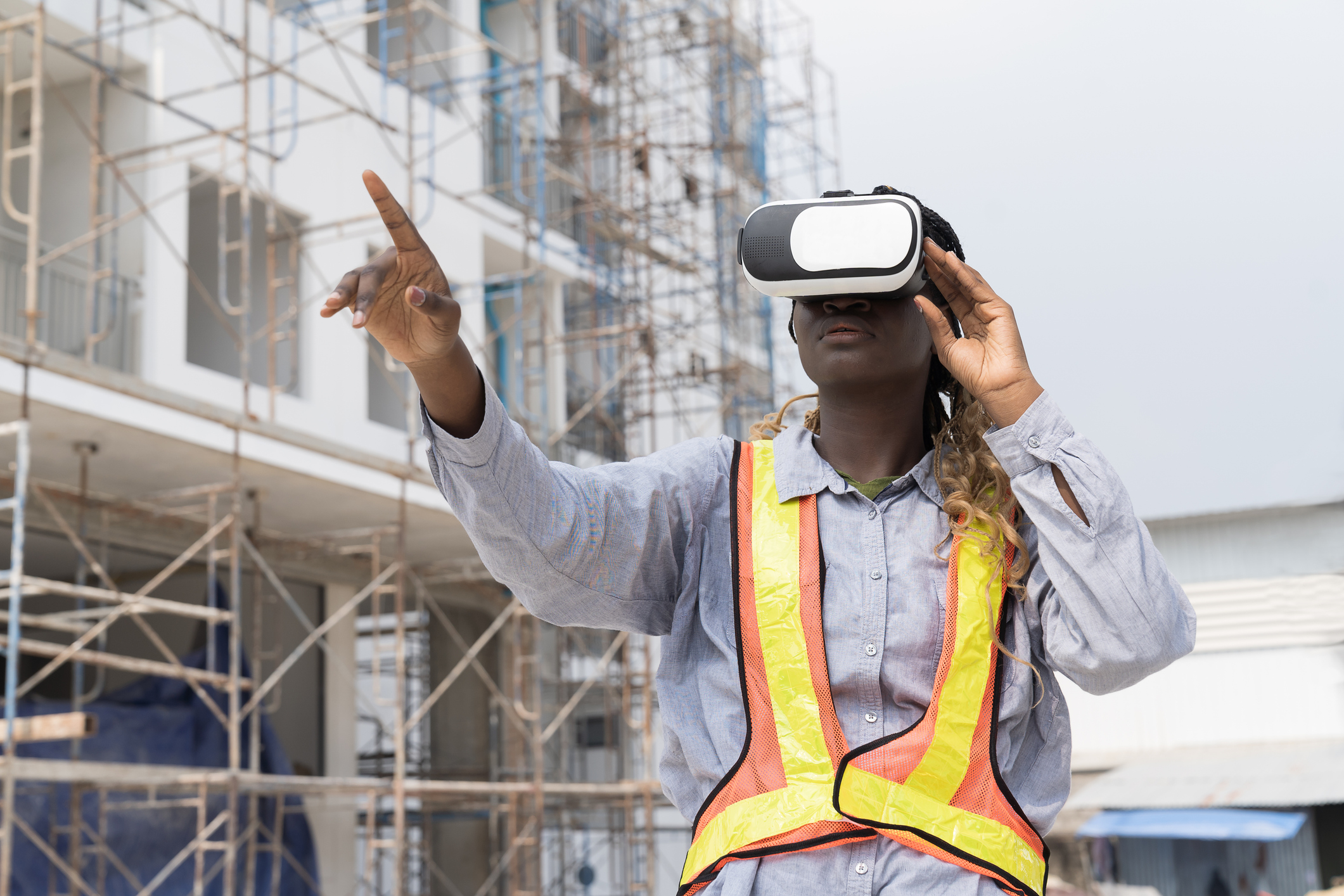
Meeting today's job seekers and career builders where they are means rethinking how we design and deliver skills training. It means embracing tools like artificial intelligence, virtual reality, and adaptive learning platforms—not because they're trendy, but because they reflect how people actually engage with information in 2026.
Consider the participant sitting in a classroom listening to a lecture about conflict resolution. Now imagine that same person practicing a difficult workplace conversation with an AI coach who responds in real time, adjusts to their answers, and provides immediate feedback. The difference isn't just engagement—it's retention, confidence, and skill transfer that actually shows up on the job.
This is the promise of 21st-century workforce programming. Immersive simulations that let participants rehearse job interviews before the stakes are real. Personalized learning pathways that adapt to individual strengths and gaps. Digital tools that make soft skills—historically the hardest to teach and measure—tangible and trackable.
But here's the truth we cannot ignore: innovation without accountability is just novelty.
At Visionz, we're deeply committed to pushing the boundaries of what workforce programming can look like. We believe in creative approaches that capture attention and meet participants in the digital environments they already inhabit. Yet we also understand that creativity must serve a purpose. Every new method, every emerging technology we explore ties back to one essential question—does it produce measurable skills gains and meaningful outcomes?
Funders want to see results. Employers want job-ready candidates. Participants want real progress they can feel and demonstrate. The programs that will thrive in the coming years are those that deliver both inspiration and evidence.
This means building systems that track growth over time. It means designing assessments that capture skill development, not just course completion. It means proving that innovation leads somewhere—to employment, to advancement, to genuine life readiness.
The workforce development field has an extraordinary opportunity right now. We can reimagine how people build the skills they need for careers and life. We can create experiences that resonate with a generation raised on interactivity and instant feedback. And we can do it in ways that stand up to scrutiny, demonstrate impact, and earn continued investment.
Innovation and outcomes aren't competing priorities. When designed thoughtfully, they reinforce each other. That's the future we're building.